
Why Your Diet Matters After Wisdom Teeth Removal
After a wisdom tooth comes out, your body immediately gets to work forming a blood clot in the empty socket. That clot is not just a byproduct of the procedure — it is the protective seal that keeps the underlying bone and nerve endings covered while new tissue grows in underneath. Everything you eat and drink for the next several days either helps that clot stay put or puts it at risk.
This is why "what to eat after wisdom teeth removal" is a more useful question than "when can I eat again." The right foods reduce strain on the surgical site, limit swelling, and give your body the raw materials it needs to rebuild tissue. The wrong ones — anything that requires suction, hard chewing, or high heat — can dislodge that clot before it has done its job.
Keep in mind that recovery timelines vary. Someone who had one simple extraction will likely move through soft foods faster than someone who had four impacted wisdom teeth removed at once. Treat the schedule below as a general roadmap, and let your surgeon's specific post-op instructions take priority if they differ.
The First 24 Hours: Liquids and No-Chew Foods
Most patients can eat again once the numbness from the local anesthetic has fully worn off, usually within a few hours of leaving the office. There is no need to wait until the next morning. What matters in this window is texture and temperature, not timing: everything should be cool or lukewarm and require zero chewing.
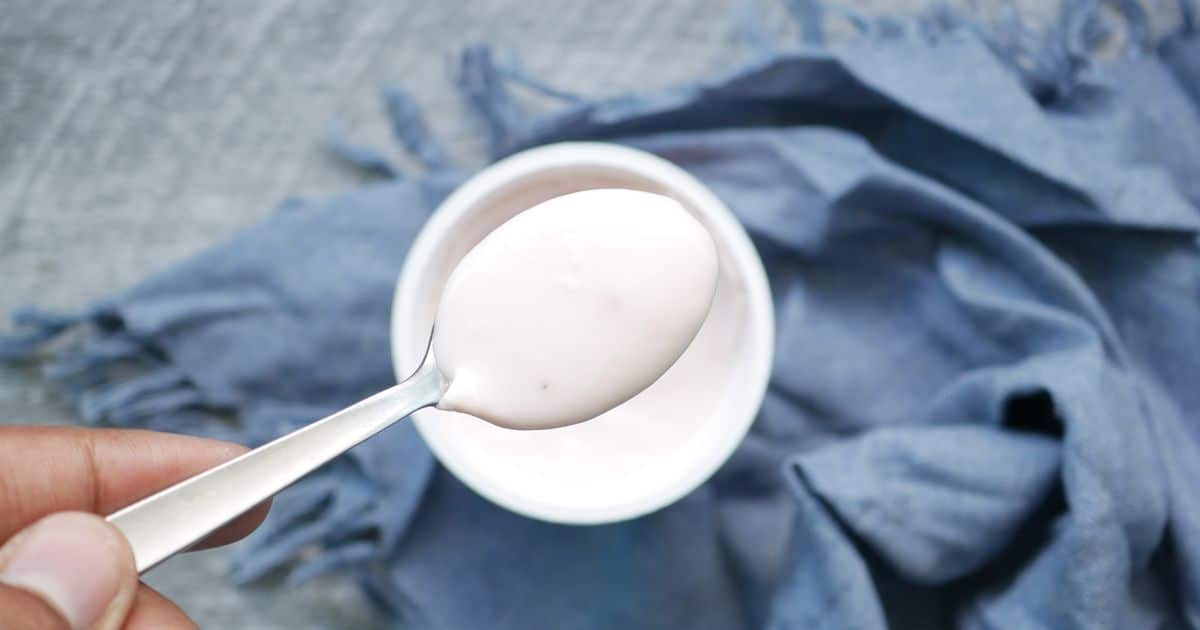
Good options for day one include applesauce, plain yogurt, pudding, gelatin, mashed banana, and cold or lukewarm broth. A smoothie is fine too, as long as you eat it with a spoon — sipping through a straw is one of the fastest ways to disturb a fresh clot, since the suction can pull it right out of the socket. The same goes for any carbonated drink, which can fizz and agitate the extraction site.
Staying hydrated matters as much as eating does. Sip water steadily throughout the day, just never through a straw. Keep foods and drinks cold or room temperature rather than hot; warmth increases blood flow to the area and can encourage bleeding or swelling, which is part of why hot foods stay off the menu for the first stretch of recovery.
Days 2-3: Soft, Warm, Easy-to-Chew Foods
As the initial numbness and swelling start to ease, you can move on to foods with a bit more substance, as long as they still require minimal chewing. This is the stage for mashed potatoes, scrambled eggs, oatmeal, soft pasta with a mild sauce, well-cooked vegetables, and cottage cheese. Warm, rather than hot, temperatures are fine now.
This is also the point where protein should become a deliberate part of every meal, not an afterthought. Tissue repair runs on protein — it supplies the amino acids your body uses to rebuild the gum and connective tissue around the extraction sites. Research on surgical and wound healing generally points to a target in the range of 1.2 to 1.5 grams of protein per kilogram of body weight per day, meaningfully higher than the roughly 0.8 g/kg baseline recommended for someone who isn't recovering from a procedure. For a 150-pound adult, that works out to somewhere around 80 to 100 grams of protein a day. Scrambled eggs, Greek yogurt, cottage cheese, and blended soups with a protein base (think pureed chicken or lentil soup) are easy ways to hit that number without any hard chewing.
Even with softer textures allowed, keep bites small and chew away from the surgical side of your mouth. The sockets are still healing, and direct pressure or food debris packing into the site can slow things down.
Days 4-7: Returning to Soft, Solid Foods
By day four, most people notice a real drop in swelling and discomfort, and the diet can expand again. Tender chicken or fish, soft rice, well-steamed vegetables, and soft fruits like ripe banana or canned peaches are all reasonable additions. The goal is still to avoid anything that fights back against your teeth.
This stretch is a good time to lean into soft foods after wisdom teeth removal that feel more like real meals — a baked sweet potato, a soft fish taco without the crunchy shell, a bowl of soft-cooked rice and vegetables. It is progress, but it is not a green light for chips, nuts, or crusty bread just yet. Those textures are exactly what the next section covers, and jumping back to them too early is one of the more common ways people set their own recovery back.
Most patients are close to a normal diet by the end of the first week. That said, the soft tissue at the extraction site keeps healing for several more weeks even after the socket looks closed on the surface, so it is worth staying a little cautious with anything genuinely hard or sharp-edged a while longer.
Foods and Drinks to Avoid During Recovery
Knowing what not to eat matters just as much as knowing what is safe. Every item on this list to avoid after wisdom teeth removal shares one trait: it either physically disturbs the healing socket or slows down the tissue repair happening underneath it.
Straws and carbonated drinks
The suction created by straws can pull the blood clot loose. Carbonated bubbles can do something similar by agitating the site.
Hot foods and drinks
Heat increases blood flow to the area, which can trigger extra bleeding or swelling right when you want things to settle down.
Spicy and acidic foods
Citrus, hot sauce, and heavily spiced dishes can irritate the exposed tissue and cause real discomfort.
Crunchy or hard foods
Chips, nuts, popcorn, and crusty bread can scrape the socket or get physically stuck in it.
Sticky foods
Caramel, taffy, and chewing gum can pull at the wound edges and are difficult to fully rinse away.
Alcohol
It can interact with pain medication and tends to dry out the mouth, which is not what a healing socket needs.
Small-seeded foods
Strawberries, sesame seeds, and similar foods can lodge in the socket and are hard to dislodge without disturbing the clot.
The reason this list gets taken seriously rather than treated as generic caution is dry socket, a condition where the protective blood clot is lost before the wound has healed underneath it. It is genuinely common: research tracking third molar extraction patients found dry socket present in roughly 20.6% of cases at 48 hours, climbing to nearly 32% by one week post-extraction, and surgical extractions carry meaningfully higher rates than simple ones (PMC study on dry socket prevalence). It is uncomfortable rather than dangerous, but it is also one of the most preventable complications of wisdom tooth recovery, and diet choices are a large part of that prevention.
When to Call Your Dentist
A certain amount of soreness, mild swelling, and tenderness while eating is completely normal for the first several days. What is not normal is pain that gets worse rather than better after day three or four. Recovery should trend in one direction — improving — and a pain curve that reverses is worth a phone call rather than waiting it out.
Other signs worth flagging include a persistent foul taste or odor coming from the extraction site, or being able to see exposed bone in the socket rather than the pinkish tissue of a healing gum. These are signs that something in the healing process needs attention, not something for a patient to diagnose or treat alone. If any of this sounds like what you are experiencing, call your dentist's office and describe it — catching it early makes it a quick fix rather than a prolonged one.
Getting Through Extraction Day With Less Worry
The eating timeline above assumes the procedure itself went smoothly and comfortably, which is exactly what Greenville Family Dentistry works to provide. Dr. Harris and the team handle both routine and surgical extractions in-house, including wisdom teeth, and every extraction consultation covers tooth replacement options alongside a conversation about sedation preferences before the day of the procedure.
That last part matters more than people expect. A lot of the anxiety around wisdom teeth removal has less to do with the recovery diet and more to do with the procedure itself — the sounds, the pressure, the idea of being aware of what's happening. Dr. Harris brings decades of sedation dentistry experience to that conversation, with IV sedation and nitrous oxide both available depending on what puts a given patient at ease. Patients who go in relaxed tend to have an easier time managing the days that follow, if only because they are not carrying extra tension into a week that is already asking a lot of their body.
If a wisdom tooth extraction is on your horizon, or you are just now dealing with lingering discomfort from one, Greenville Family Dentistry's tooth extraction team can walk you through what to expect, from the sedation options available to the recovery timeline that fits your specific procedure. Reach out to schedule a consultation and get a clear, personalized plan before your extraction day arrives.