
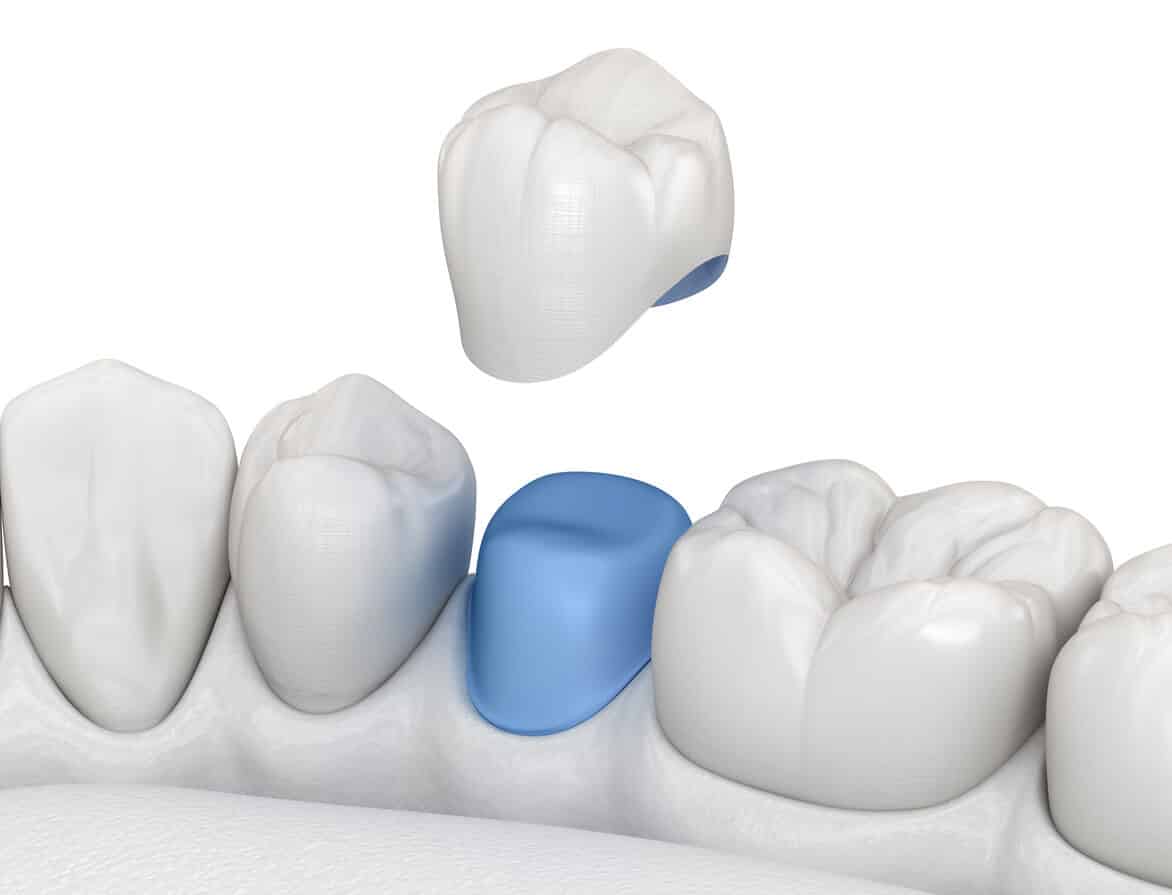
Looking to revive your smile with dental crowns? You’re in the right place. Crowns can transform your teeth, making them stronger and more attractive. With various types of dental crowns and costs, finding the best fit can feel overwhelming.
We’re here to guide you through the different options and help you discover what suits your needs and budget. Set off on your journey to a healthy, confident smile with this detailed article. Explore your crown options and make informed decisions for your dental care.
What Are Dental Crowns?
Dental crowns are caps designed to restore a tooth’s original shape and size. They play a key role in protecting damaged teeth and boosting the appearance of your smile. Often, crowns are needed for cavities, cracks, severely stained teeth, or after undergoing a root canal.
Different Types of Dental Crowns and Their Cost
Understanding the types of dental crowns and their cost is essential for making an informed decision. Each type offers unique benefits, and their suitability depends on your specific needs. Let’s explore the options:
| Crown Type | Pros | Cons | Ideal Use | Average Cost |
| Porcelain Crowns | Natural appearance, blends with natural teeth | Less durable, higher risk of chipping | Front teeth restorations, cosmetic enhancements | $800 – $3,000 |
| Ceramic Crowns | Metal-free, highly aesthetic | May wear down opposing teeth, delicate | Visible teeth, those with metal allergies | $800 – $2,000 |
| Metal Crowns | Extremely durable and strong | Less visually appealing, noticeable metal color | Back teeth restorations, enduring tough foods | $600 – $2,500 |
| Zirconia Crowns | Strong and visually appealing | Can be abrasive to other teeth, requires careful fitting | Durability with a pleasing look | $1,000 – $3,000 |
| Porcelain-Fused-to-Metal | Combines metal strength with porcelain beauty | Metal may become visible at gum line over time | Balance of aesthetics and strength | $500 – $1,500 |
| Stainless Steel Crowns | Cost-effective, provides immediate solution | Not a permanent fixture, primarily for temporary use | Temporary solutions, pediatric dental treatment | $300 – $500 |
Factors Affecting Dental Crown Costs
Understanding what influences dental crown prices can help you plan better. Many factors contribute to the overall cost, so let’s explore some of the key elements:
Dental Crown Material
The type of material used in your dental crown affects both its cost and performance. Options like porcelain, ceramic, metal, and zirconia each have unique qualities. Porcelain crowns and zirconia are often more expensive due to their aesthetic appeal and durability, impacting the overall price.
Dentist Expertise
A dentist’s level of expertise and their clinic’s technology can influence costs. Experienced dentists may charge more for their skill and precise work. Clinics with state-of-the-art equipment may also have higher fees, reflecting the quality of care provided.
Location
Where you live can significantly affect dental crown prices. Urban locations typically have higher costs due to increased demand and living expenses. In contrast, rural regions might offer more affordable options, although service availability may vary.
Additional Procedures
Additional dental treatments can add to the overall expense. Procedures like treating tooth decay or undergoing a root canal can increase the total cost. Complex cases often require more time and care, leading to higher expenses.
Dental Insurance Coverage
Insurance plays a critical role in determining out-of-pocket costs. Coverage varies, but most dental insurance plans assist with expenses if the procedure is deemed medically necessary. Understanding your plan can help you anticipate your financial responsibility.
Crown Placement
The crown’s location in your mouth affects the choice of material and cost. Front teeth often require aesthetically pleasing materials, which can be pricier. Conversely, crowns for back teeth prioritize durability, influencing the choice and cost.
Laboratory Fees
Dental labs craft custom crowns, and their fees can impact the final price. The materials and techniques used in labs contribute significantly to overall expenses. High-quality labs producing precise dental crowns often charge more.
Type of Crown
The specific type of dental crown you choose will directly impact costs. Options like all-ceramic or metal crowns offer varied price ranges. Your needs and preferences will guide the decision, affecting the final expense.
How to Choose the Right Crown for You
Selecting the perfect dental crown involves careful consideration of key factors. Here’s how to make an informed choice that suits your unique needs:
Prioritize Your Needs
Determine whether aesthetics, durability, or budget matters most. If you value appearance, porcelain or zirconia crowns may be ideal. For those emphasizing durability, metal crowns offer long-lasting strength, especially for back teeth.
Evaluate Your Oral Health
Assess oral issues like gum disease or receding gums, as they can impact dental crown suitability. Consider conditions such as tooth sensitivity or previous dental work. These factors help narrow down the best material and treatment options.
Consult with Your Dentist
Engage in open discussions with your dentist about your goals and concerns. They can provide recommendations tailored to your dental health. This professional guidance ensures you’re choosing materials and designs that align with your needs.
Balance Various Factors
Weigh aesthetics, durability, and cost carefully. A balanced approach prevents further damage to weakened teeth. Consider how long you want the crown to last and whether you prefer temporary or permanent solutions.
Consider Your Lifestyle
Think about your daily habits and lifestyle. If you grind your teeth or consume hard foods, a more durable material might be necessary. Understanding your routine helps in selecting a crown that accommodates your lifestyle.
Review Insurance Options
Check your dental insurance plan to understand coverage limitations. Knowing what’s covered helps in budgeting for your dental crown treatment. It can also guide you in selecting a crown type that minimizes out-of-pocket expenses.
Caring for Your Dental Crown
Proper care for your crown is essential to maintain its appearance and function. Here are some helpful tips:
- Maintaining Good Oral Hygiene: Keep your crown and surrounding teeth clean by brushing twice daily and flossing regularly. Strengthen your teeth and crown with fluoride toothpaste.
- Avoid Hard and Sticky Foods: Watch out for foods that might damage or dislodge your crown, such as hard candies or sticky caramel.
- Regular Dental Check-Ups: Set up regular dental appointments to keep track of your crown’s condition and catch any potential issues early.
- Watch for Signs of Wear: Pay attention to any changes, such as sensitivity or discomfort, and consult your trusted dentist if you notice anything unusual.
- Use a Night Guard if Needed: Consider using a night guard if you grind your teeth at night to safeguard your crown and overall dental health.
Alternatives to Dental Crowns
If you’re considering cosmetic dentistry options other than dental crowns, here are some alternatives:
- Dental Veneers: Veneers offer an excellent aesthetic solution, covering imperfections with a natural appearance. They are ideal for discolored or slightly misaligned teeth. However, veneers can be expensive and require permanent alteration of the natural teeth. They are not suitable for severely damaged teeth.
- Dental Bonding: Bonding offers a fast and affordable way to fix minor chips and cracks, blending seamlessly with natural teeth. It can be done in just one visit. However, it is less durable than crowns and may not last as long, particularly for heavy biters.
- Inlays and Onlays: These custom-made fillings provide a stronger and more durable fix than standard fillings, preserving the tooth’s structure while addressing moderate decay. However, they can be more costly than regular fillings and often require two dental visits.
- Tooth Extractions and Dental Implants: When a tooth is beyond repair, extraction and implants offer a permanent solution, restoring function and appearance. This option is invasive, with a longer recovery time and higher cost compared to other treatments.
- Partial Crowns: Partial crowns preserve more of the natural tooth and can be a less invasive option than full crowns. While they offer less comprehensive coverage than full crowns, they may not provide as much protection and are generally not suitable for severely damaged teeth.
Redefine Your Smile: Set Your Appointment Today
Is it time to give your smile a boost? At Greenville Family Dentistry, we’re here to help you find the perfect dental crown. Whether you need something durable for chewing or a crown that looks natural, we’re ready to assist you.
Our friendly team is excited to help you achieve the healthy, confident smile you’ve always wanted. Simply visit our website or give us a call to book a consultation. Let’s work together to enhance your oral health and create the beautiful smile you deserve!